

Jumeirah Village Triangle (JVT) is a Nakheel master community planned around a triangle footprint and numbered districts. It is mainly villas and townhouses, with low-rise apartment clusters in specific pockets. Parks, sports courts, schools, and convenience retail are built into the community.
JVT is organised into district pockets (commonly District 1–9), which keeps local movement straightforward and prevents the area turning into a shortcut for non-residents. Internal streets are designed for short trips—school drop-offs, park visits, and quick errands—while the major routes stay outside the neighbourhood. A major advantage is access to two key highways: Sheikh Mohammed Bin Zayed Road (E311) and Al Khail Road (E44). This gives residents more than one practical route depending on work and school locations.
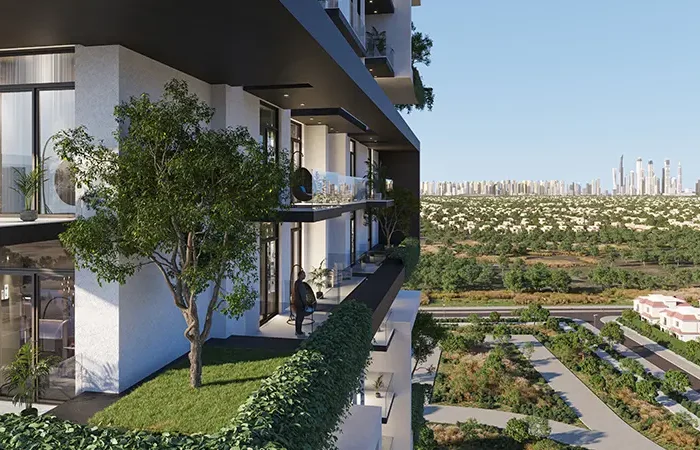
JVT’s facilities are not concentrated in one centre. They are distributed across districts, so residents use what is closest to their home rather than travelling across the community. The mix is deliberately practical: green space, sports courts, schools, and everyday services.
JVT is planned for long-term residential use, with a structure that supports everyday living rather than short-stay demand. The community scale is substantial—around 242 hectares with more than 13,000 homes—so amenities operate at neighbourhood level rather than building level only. Villas and townhouses follow a consistent Arabian and Mediterranean styling, which gives the area a recognisable character. Road planning is also a key part of the proposition, with E311 and E44 providing alternative city routes, and wider corridor upgrades (including Hessa Street Phase I opening in January 2026) affecting travel patterns for many residents.
JVT works best for residents who want space, villa-led streets, and local amenities that reduce the need to leave the community for basics. Schools within JVT, community parks, and sports courts support routine living, while grocery and pharmacy options cover day-to-day needs. The apartment clusters add rental choice without changing the area’s overall residential focus. For commuters, the ability to use either E311 or E44 is one of the practical reasons JVT is shortlisted, especially for households balancing work locations across Dubai.
A Nakheel master-planned residential community in Dubai with a triangle footprint, organised into numbered districts and made up of villas, townhouses, apartment clusters, parks, and local services.
It is divided into district pockets (commonly District 1–9). Villas and townhouses dominate most streets, while apartment buildings are concentrated in selected clusters.
The main access is via Sheikh Mohammed Bin Zayed Road (E311) and Al Khail Road (E44). Many residents also use Hessa Street for certain directions, where recent upgrade phases are relevant to travel times.
Distributed parks and play areas, walking links, mosques, and community-level sports facilities including basketball, tennis, padel, and badminton courts, plus cricket pitches.
Yes. Sunmarke School is within JVT (District 5). Arcadia School is also commonly referenced within JVT (District 9 area).
Most households rely on driving. Bus services operate around the area, but there is no metro station inside JVT, so public transport usually involves a feeder connection and last-mile travel.
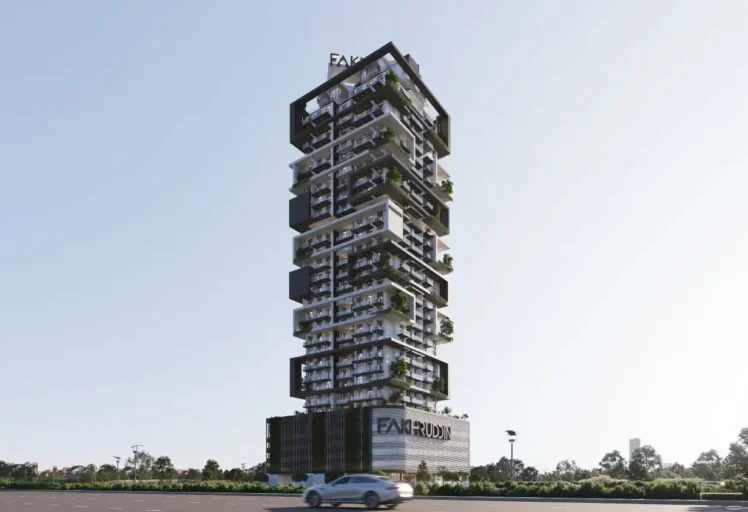
Tréppan Tower is a serene sanctuary in Jumeirah Village Triangle, created for families and communities to truly flourish. From the moment you arrive, the lobby sets a calming tone with greenery, gentle breezes, and sunlight across polished textures.
Adding {{itemName}} to cart
Added {{itemName}} to cart